


Price: $29.99 - $35.99
(as of Apr 08, 2025 14:27:58 UTC - Details)
The Best Way to Catch Mice: An In-Depth Product Review
Introduction
When it comes to dealing with a mouse problem, understanding the best way to catch mice is essential. Mice can be more than just a nuisance; they can pose health risks and cause property damage. In this article, we will explore various methods and products that can help you effectively capture these pesky rodents. Whether you're looking for traditional traps, humane catch-and-release options, or advanced electronic solutions, we’ve got you covered. By the end of this review, you'll have a wealth of practical information to help you choose the right method for your needs.
Understanding Mouse Behavior
Why Do Mice Enter Our Homes?
Before diving into the best ways to catch mice, it's important to understand why they invade our spaces. Mice are attracted to food, warmth, and shelter. They often enter homes through tiny gaps and cracks, seeking out places to nest and breed. Understanding their behavior can help you prevent infestations before they start.
The Importance of Prevention
Preventing mice from entering your home is as crucial as catching them. Seal off entry points and keep food stored securely. This will not only help you avoid the hassle of dealing with a mouse problem but will also make your home less inviting to these critters.
Traditional Trapping Methods
The Classic Snap Trap
One of the most common methods to catch mice is the classic snap trap. This simple yet effective tool works by using a spring-loaded mechanism to kill the mouse instantly. When set correctly, these traps are highly effective and can capture multiple mice in a short period.
Key Benefits:
- Simple to use
- Affordable
- Quick results
Glue Traps: An Alternative Option
Glue traps provide a different approach to catching mice. These traps are coated with a sticky substance that immobilizes the mouse when it steps on them. While they can be effective, there are some ethical concerns associated with their use, as the trapped mice may suffer before they are found.
Key Benefits:
- No need for bait
- Easy to set up
- Good for monitoring infestations
Humane Catch-and-Release Traps
The Joy of Catch-and-Release
If you're looking for a more humane way to deal with mice, consider using catch-and-release traps. These traps allow you to capture mice alive, so you can release them far away from your home.
Key Benefits:
- Ethical option
- No need to kill the mouse
- Can be reused
Setting Up Your Catch-and-Release Trap
To maximize your success with a catch-and-release trap, it's essential to set it up correctly. Place the trap near areas where you've seen mouse activity, and use attractive bait such as peanut butter or sunflower seeds to lure them in.
Electronic Traps: The Future of Mouse Catching
How Do Electronic Traps Work?
Electronic traps are a modern solution for catching mice. These devices use a high-voltage shock to kill the mouse quickly and humanely. Many models are equipped with sensors that alert you when a mouse has been captured.
Key Benefits:
- Quick and humane
- No mess
- Easy to clean
Choosing the Right Electronic Trap
When selecting an electronic trap, consider factors such as size, battery life, and ease of use. Make sure the trap is designed for the size of mouse you’re dealing with, as some models are more effective for larger rodents.
Baiting Techniques for Maximum Success
Choosing the Right Bait
Regardless of the trapping method you choose, baiting is crucial. Mice are attracted to various foods, so it’s important to select the right bait. Peanut butter, chocolate, and seeds are popular options.
Bait Placement Tips
Place bait strategically to increase your chances of catching a mouse. Position it at the back of traps to ensure the mouse has to fully enter the trap. Additionally, maintaining cleanliness around bait areas can make a significant difference in attracting mice.
Environmental Considerations
Safe Pest Control
When dealing with mice, it’s essential to consider the environmental impact of your chosen method. Opt for traps that are effective and minimize harm to other wildlife and pets.
Disposing of Captured Mice
If you’re using traditional or electronic traps, ensure you dispose of captured mice safely and hygienically. Wear gloves and place them in a sealed bag before discarding to prevent disease transmission.
Conclusion
Finding the best way to catch mice requires understanding mouse behavior and choosing the right tools for the job. From traditional snap traps to humane catch-and-release options and modern electronic traps, there are various methods available to suit your preferences. By implementing effective baiting techniques and maintaining a clean environment, you can ensure your home remains mouse-free. Remember, a proactive approach is key to preventing infestations and keeping your living space comfortable. With the information in this guide, you're well on your way to successfully managing any mouse problems you may face.
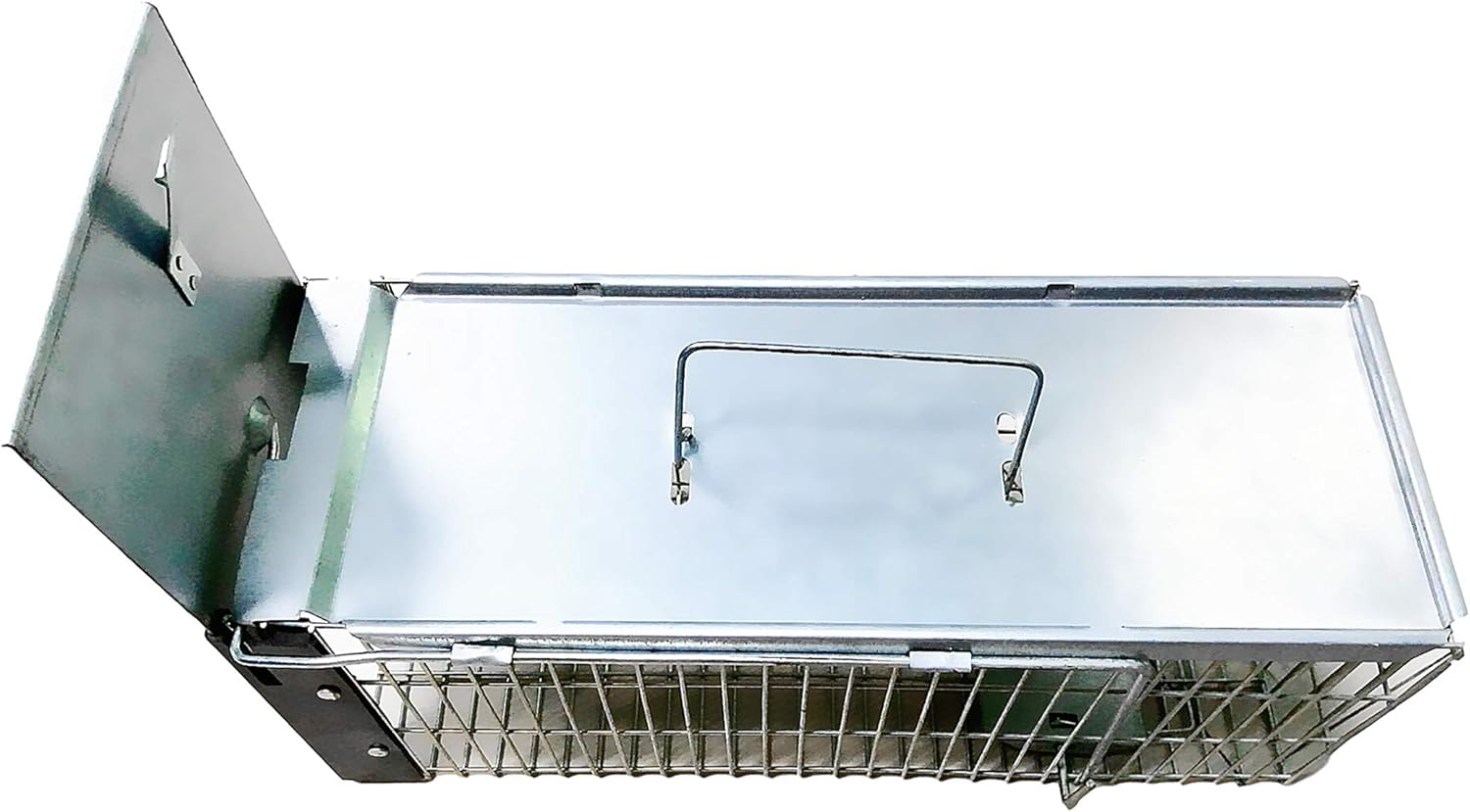
Heavy Duty - Constructed of sturdy galvanized steel for maximum resistance to rust and corrosion. 12-Gauge wire mesh prevents animals from breaking it.
Ultra Sensitive - Once the pedal touched slightly, the gravity-action door will drop down in a flash. Also the trigger bar is located outside the trap to prevent captured animals from damaging it.
Bait Recommendations - The most attractive bait is peanut butter, cake, biscuit, jujube, longan, walnut, beans,corn, peanuts, sunflower seeds, fried food, sausage, roast meat ect. Suggest placing the bait beyond the trigger plate towards the rear of the trap, away from the trap walls to prevent any animal from reaching the bait from outside the trap.
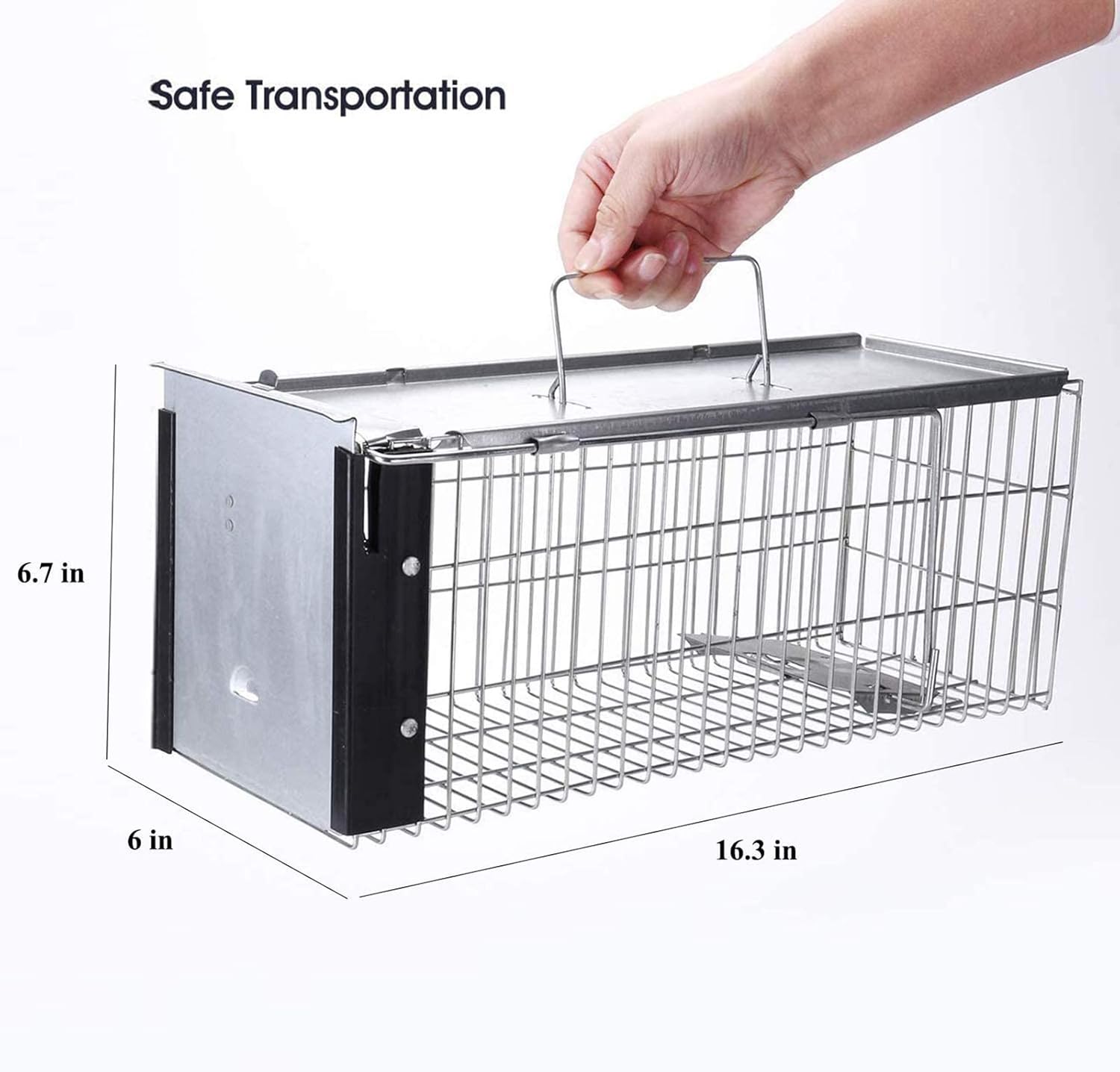
Applicable Targets - 16.3” x 6” x 6.7” trap cage for catching : grey squirrels, chipmunks, tree squirrels, flying squirrels, weasels, rats, voles and other similar-size nuisance animals. Not suitable for larger animals such as groundhogs and rabbits.
Storage Suggestions - Metal cages should be stored in a clean, dry place, avoiding humidity and corrosive substances. During storage and handling, collisions and friction between metal cages and other hard objects should be avoided to prevent damage to their structure and surface coating.
Kindly Note - We recommend checking with your local authorities to determine the trapping laws in your area before using a live trap.