



Price: $6.99
(as of Apr 12, 2025 06:10:51 UTC - Details)
What is the Best Oil to Cook With? A Comprehensive Guide to Choosing the Right Cooking Oil
Introduction
When it comes to cooking, the type of oil you use can make a significant difference in both flavor and health. You might find yourself asking, "What is the best oil to cook with?" The answer isn't straightforward, as it depends on various factors including the type of cooking, your health preferences, and the flavor profile you desire. In this article, we will explore different types of cooking oils, their benefits, and when to use each one. By the end, you'll have a clearer understanding of how to choose the right cooking oil for your kitchen needs.
Understanding Cooking Oils
1. Health Benefits of Olive Oil
One of the most popular oils for cooking is olive oil. It's not just loved for its taste; it also offers numerous health benefits. Rich in monounsaturated fats, olive oil is known to support heart health. It contains antioxidants that can help reduce inflammation. When you think about what is the best oil to cook with, olive oil often tops the list. Use it for sautéing vegetables or drizzling over salads to enhance flavor and health.
2. The Versatility of Canola Oil
Canola oil is another excellent choice, especially for those who appreciate versatility in their cooking. With a neutral flavor, it works well in frying, baking, and even salad dressings. One of the key reasons many chefs choose canola oil is its high smoke point, making it ideal for high-heat cooking. If you’re looking for an all-purpose oil, canola oil might be your best bet.
3. Coconut Oil and Its Unique Flavor
Coconut oil has gained popularity in recent years, particularly in baking and Asian cuisines. Its distinct flavor can add a tropical twist to your dishes. Coconut oil is also rich in medium-chain triglycerides (MCTs), which may provide a quick source of energy. When considering what is the best oil to cook with, think about how coconut oil can enhance the flavor of certain recipes, especially desserts and curries.
4. Avocado Oil: A Nutritional Powerhouse
Another oil that deserves attention is avocado oil. Packed with healthy fats and vitamins, it’s a fantastic addition to your cooking routine. Its high smoke point makes it ideal for frying and grilling. Plus, its buttery flavor pairs well with many dishes. If you’re searching for a nutritious oil that can handle high heat, avocado oil might just be the answer.
5. Peanut Oil for Stir-Frying
If you enjoy Asian cuisine, peanut oil is a go-to option for stir-frying. Its high smoke point and nutty flavor make it perfect for high-heat cooking methods. Additionally, peanut oil is rich in monounsaturated fats, which can be beneficial for heart health. So, if you're whipping up a stir-fry, consider reaching for peanut oil for that authentic taste.
6. Grapeseed Oil: A Light and Flavorful Option
For those who prefer a lighter oil, grapeseed oil is a fantastic choice. It has a high smoke point and a neutral flavor, making it suitable for a variety of cooking techniques, including frying and baking. Grapeseed oil is also rich in polyunsaturated fats and vitamin E, providing a health boost. When pondering what is the best oil to cook with, grapeseed oil offers a light option that won't overpower your dishes.
7. Flaxseed Oil: A Nutritional Supplement
Flaxseed oil is unique among cooking oils due to its omega-3 fatty acid content. While it’s not ideal for high-heat cooking, it can be a great addition to salad dressings or smoothies. Incorporating flaxseed oil into your diet can help improve heart health and reduce inflammation. If you're looking for a healthy oil to complement your meals, keep flaxseed oil in mind.
How to Choose the Right Cooking Oil
8. Consider Your Cooking Method
When questioning what is the best oil to cook with, consider the method you'll be using. Different oils have different smoke points, which is the temperature at which they start to smoke and break down. For frying, look for oils with high smoke points like avocado or peanut oil. For low-heat cooking or dressings, oils like olive or flaxseed are ideal.
9. Think About Flavor Profiles
The flavor of the oil can greatly influence your dish. Neutral oils like canola and grapeseed won’t alter the taste of your food. In contrast, oils like olive or coconut have distinct flavors that can enhance your recipes. Choose an oil that complements the ingredients you’re using to create a harmonious dish.
10. Evaluate Health Factors
Health is a crucial consideration when selecting cooking oils. Some oils are rich in healthy fats, while others may contain unhealthy trans fats. Always read labels and opt for oils that are minimally processed and high in beneficial nutrients. If health is a priority, oils like olive, avocado, and flaxseed should be at the top of your list.
Conclusion
Choosing the right cooking oil can make a world of difference in your meals. From the heart-healthy benefits of olive oil to the versatile nature of canola oil, understanding what is the best oil to cook with is essential for both flavor and nutrition. As you explore different oils, consider their flavor profiles, smoke points, and health benefits to make informed choices. By doing so, you can elevate your cooking and enjoy delicious, healthy meals every time. Remember, the best oil for you ultimately depends on your personal preferences and cooking style, so don't hesitate to experiment!
High Heat Up To 450°F
Our 100% Expeller-Pressed Organic Canola Oil Was Extracted Using No Chemicals Or Solvents. It'S Your Go-To For: Baking Sautéing Pan-Frying Grilling Sauces Marinades
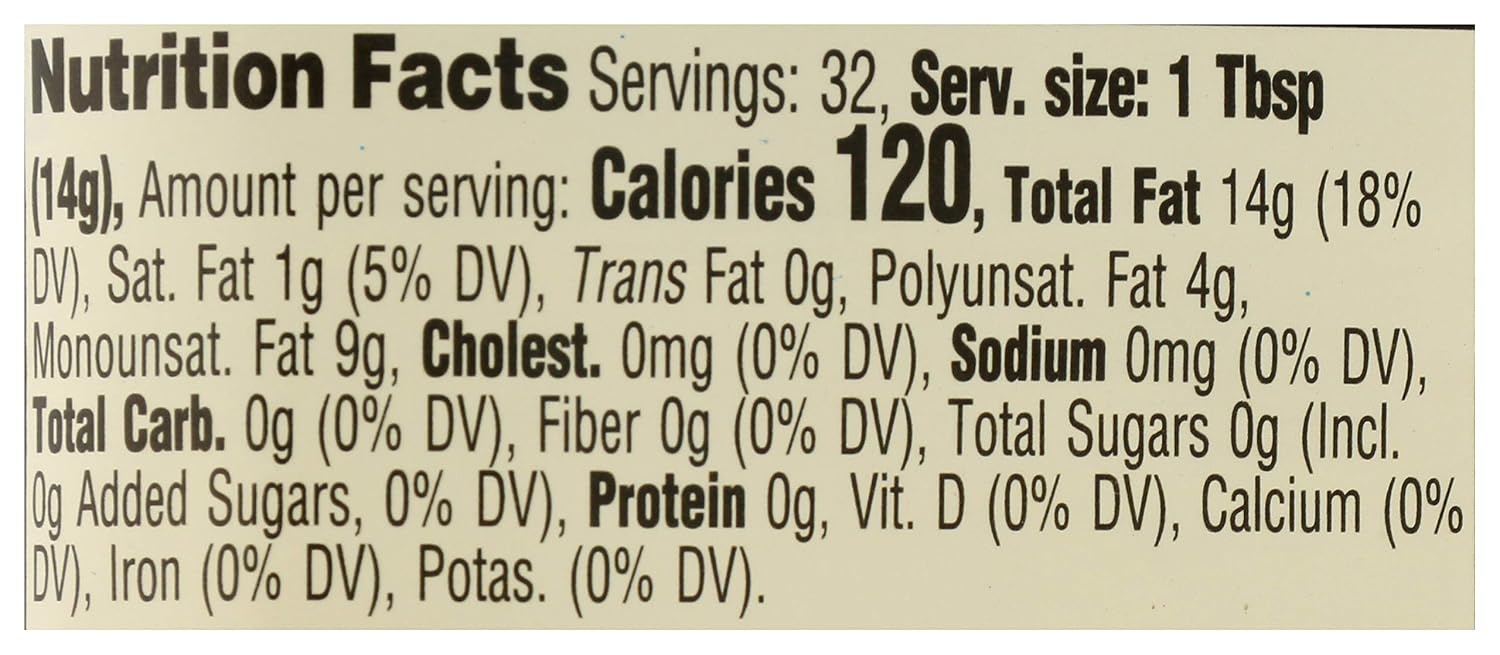
Sodium Free See Nutrition Information For Fat Content
365 by Whole Foods Market products give you that dance-down-the-aisles feeling, virtual aisles too! Our huge range of choices with premium ingredients at prices you can get down with makes grocery shopping so much more than tossing the basics in your cart.
An Amazon brand